Descrição do Curso
O curso de Controle Estatístico de Qualidade e Validação/Verificação de Métodos (QCMV2) é focado em testes quantitativos, incluindo testes de CD4, com exemplos de bioquímica e hematologia. Este curso fornece aos participantes o conhecimento e as ferramentas essenciais para avaliar e monitorar seus testes quantitativos.
Com gravações de aulas na plataforma Moodle e webinars interativos ao vivo baseados no Zoom, os participantes aprenderão a:
- Selecionar novos métodos e instrumentos com especificações de desempenho relacionadas ao "uso pretendido" do procedimento (ISO15189:2022, 7.3)
- Introduzir novos métodos e instrumentos em laboratórios avaliando adequadamente os procedimentos para o "uso pretendido" (ISO15189:2022, 7.3.1)
- Projetar um programa interno robusto de QC para todos os testes (ISO15189:2022, 7.3.7.2)
- Avaliar a exatidão contínua do laboratório por meio de Esquemas de Avaliação Externa da Qualidade (EQAS) (ISO15189:2022, 7.3.7.3)
Objetivos do Curso
Os participantes serão capazes de:
- Descrever os princípios do controle de qualidade (QC) estatístico
- Explicar a informação transmitida pelos dados estatísticos
- Aplicar os princípios fundamentais do QC no seu laboratório para tomar as decisões e ações apropriadas
- Estabelecer estratégias centradas no paciente utilizando especificações de qualidade predefinidas para o teste e o método
- Utilizar o monitoramento contínuo das informações do QC interno e externo para avaliar o desempenho atual de um método
- Utilizar os dados dos experimentos iniciais de avaliação de métodos para julgar a aceitabilidade de um teste quantitativo
Público-Alvo
O público-alvo inclui:
- Diretores, gerentes, supervisores de laboratório ou responsáveis pelo QC envolvidos na realização de QC quantitativo e validação/verificação de métodos.
- Pessoal sênior de laboratório envolvido em testes quantitativos e validação/verificação de métodos.
- Gestores de qualidade, gestores de projetos e mentores que implementam SGQ em laboratórios.
- Auditores e avaliadores com formação técnica em patologia clínica.
- Aqueles que conduzem treinamentos em SGQ, incluindo QC estatístico e validação/verificação, ou envolvidos no currículo de pré-serviço.
Formato do Curso
Este curso contém 10 semanas de aprendizado online seguidas de 4 sessões ECHO ministradas ao longo de 2 semanas. Este curso eLearning usa um modelo de “sala de aula invertida” (definição). Os participantes se dedicam ao autoestudo, aprendendo com mais de 100 vídeos de aulas online e concluindo tarefas semanais, antes de participar de sessões ao vivo baseadas no Zoom para debate, discussão e perguntas e respostas. As sessões ECHO permitem que os participantes trabalhem com os dados do seu próprio laboratório e recebam orientação dos facilitadores.
- 0Introdução ao workshop
- 1Vamos examinar as bases
- 2A gaussiana é a chave
- 3Faça a correspondência
- 4O pessoal da linha da frente
- 5Tudo começa com o gráfico certo
- 6Testes em paralelo
- 7Erro total
- 8Integrar o ETa na qualidade
- 9Até onde a sua média pode variar?
- 10Como escolher as regras de controlo
- 11Qual é a nossa competência?
- 12Compreender a comparação interlaboratorial
- 13Introdução à validação e à verificação de métodos
- 14Incerteza de medição
- 15Masterclass sobre o projeto de melhoria
Selecione sua Turma para Entrar

Critérios para o Certificado do Curso
- Entrega de tarefas semanais antes dos prazos
- Presença – não mais de 3 sessões ao vivo perdidas (ou seja, webinars, horários de atendimento, sessões ECHO). Se você perder uma sessão, deverá assistir à gravação da sessão ao vivo e enviar evidências de que assistiu.
- Conclusão das avaliações semanais do curso
- Uma nota de aprovação de 75 pontos no pós-teste
Depoimentos
QCMV eLearning 2024 Cohort Now that I know how to do the right things, I consider myself a QCMV brand ambassador by not only teaching and mentoring colleagues but most importantly, walking the talk. This will tremendously improve the quality of the laboratory's results which will translate into quality patients' care. There will be no better testimony than the number of patients receiving high quality laboratory results as a result of skills and technical know-how gained from the QCMV Course.
QCMV eLearning 2024 Cohort The interactive nature of the course distinguishes it from other e-learning programs by giving you the opportunity to ask questions directly to the facilitators and be clarified. it also offers the opportunity to interact directly with participants from other labs around the world for experience sharing. If this course is completely applied, the frontline worker will be confident in the results produced and the laboratory will be contributing to proper diagnosis and treatment of patients.
I really appreciate this course.
QCMV eLearning 2024 Cohort I recommend taking this course to all laboratory professionals because it:
- Goes along with a ‘simple words about the complex’ approach
- Includes exclusively important and essential information for routine work
- Is based on a thoroughly planned and thought program which is a great theory-practice combination
- Rewards you with fantastic atmosphere that contributes to professional growth
QCMV eLearning 2024 Cohort I found and experienced the QCMV course transformative! It hectic but extremely necessary. It is a world where your skills meet purpose. You find new colleagues, who share the same goals as you, you learn from the world on how to implement QC in your laboratories. With engaging lectures and practical exercises, it's a journey of growth and empowerment. Join me in unlocking our potential as scientists and making a difference.
QCMV eLearning 2024 Cohort I would recommend this course because it provides the laboratory with many statistical tools aligned to ensure the validity of examination results, as specified in the ISO 15189:2022 standard. I found this course very interesting, as it involves continuous learning and practicing exercises on worksheets, job aids, and handouts, aimed at understanding the objectives of the activities, restating the main ideas, and implementing them in the laboratory routine.
QCMV eLearning 2024 Cohort The QCMV course is an extraordinary and useful one. In the laboratory, we used to carry out quality controls (internal and external) but we didn't have a lot of knowledge and mastery of certain performance criteria of a test or method. We also maked a limited interpretation of our QC results, method comparison, linearity, accuracy, and precision. Now because of this course, facilitated by highly competent experts, we know even more about how to ensure and improve the quality of our laboratory analysis results. We really thank to the organizers of this course and to all the facilitators.
QCMV eLearning 2024 Cohort Definitely, I would recommend QCMV course to my colleagues. Firstly, QCMV course provided me with a lot of important information about statistical quality control in the laboratory, validation/verification, PT, in addition, it also provided practical tools and strategies for improving processes in the laboratory, which I can and will directly apply in our laboratory to increase our measurements and research results reliability. QCMV course really helped me to improve my skills, I personally received a lot of information, so I will confidently recommend it to my colleagues, share and show in practice everything that I received in this course, how to correctly apply tools and rules, interpret the results obtained both inside the laboratory and results external quality assessment programs etc.
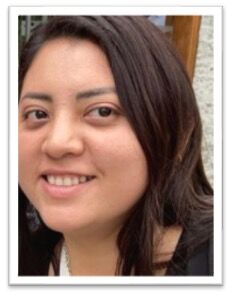
PARABÉNS AOS VENCEDORES DO ELEARNING QCMV 2024!
-
1
-
2
-
3

-
4
-
5
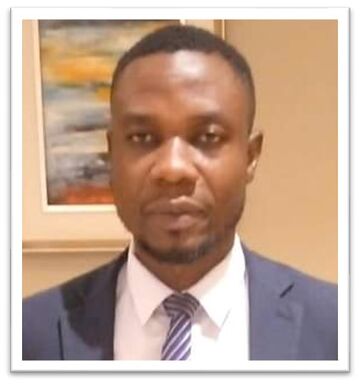


O Programa de Incentivos Virtual foi concebido para promover a assiduidade e a entrega atempada dos trabalhos, a qualidade dos trabalhos de casa, a participação ativa nas aulas e uma contribuição excecional para a aprendizagem partilhada. Os participantes ganham dólares SLMTA virtuais com base em critérios definidos. Os vencedores (os que acumulam mais pontos) recebem prémios reais, e não virtuais.
Comité Científico
Segue-se a lista dos membros do Comité Científico que contribuíram para o desenvolvimento do curso de e-learning QCMV:
- Dr. Katy Yao, Centers for Disease Control and Prevention (CDC), EUA
- Mr. Ashaba Davis, African Field Epidemiology Network (AFENET), Uganda
- Ms. Anna Murphy, Consultora independente, EUA
- Mr. Elde Mel Paladar, Adventist Health International e Loma Linda University, Malawi
- Ms. Beatrice van der Puije, African Society for Laboratory Medicine (ASLM), Gana
- Ms. Janet Scholtz, Consultora de SGQ (reformada dos National Health Laboratory Services, África do Sul)
- Dr. Luciana Kohatsu, Centers for Disease Control and Prevention (CDC), EUA